When it comes to web design, few colors carry as much weight and meaning as black. Bold, timeless, and endlessly versatile, black has become a dominant choice for modern websites that want to stand out and make a bold statement. Whether you’re aiming for elegance, mystery, or minimalism, black websites have the power to create a strong visual and emotional impact.
Today, using black in website design is more than just an aesthetic decision. It’s a strategic tool for conveying brand identity, improving user experience, and capturing audience attention.So, let’s explore why black is so powerful in web design, how it resonates across different cultures, and how designers are using it to craft sleek, inspiring digital experiences.
The Power of Color Black in Website Design
Black is a color that speaks volumes without saying a word. In design, it’s often used to represent sophistication, luxury, and confidence. But its appeal goes far beyond surface-level beauty.
Black helps in creating contrast, which can make text and visuals pop. It naturally draws the eye and adds depth to a page. More importantly, black can trigger an emotional response from users. Depending on how it’s used, black can make a website feel powerful, sleek, mysterious, or even exclusive.
For example, check out figtowp – a WordPress design conversion company – that uses black exceptionally well to make elements stand out with stark contrast in text and refined aesthetics.
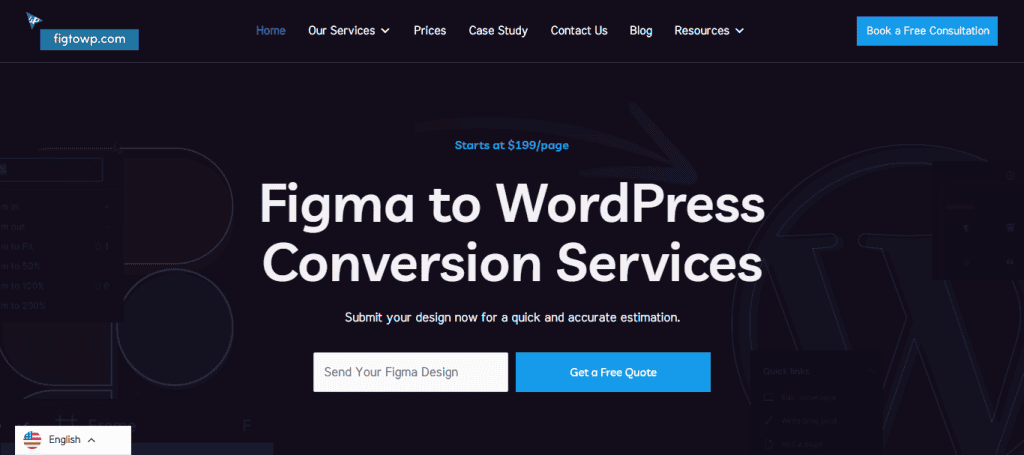
Because of these qualities, black is especially popular on websites that aim to look premium or high-end. Think of fashion brands, tech startups, or luxury car companies. For these industries, black isn’t just a background color; it’s part of their brand story.
Learn about: Intermediate Colors in Website Design
The Cultural Context of Black Websites
To fully appreciate the use of black in web design, understanding how the color is perceived around the world is essential. Cultural meanings can influence how users interpret black design elements, which is important when designing websites for a global audience.
Black in Western Culture
In Western culture, black is often linked to power, elegance, and formality. It’s the color of tuxedos, luxury cars, and high-end packaging. When used on websites, it can evoke a sense of exclusivity and class.
Black also carries connotations of mystery and intrigue. It can make a site feel more dramatic or intense, encouraging users to explore further. In fashion and design, black is seen as timeless and versatile. A classic choice that never goes out of style.
Black in Eastern Cultures
In many Eastern cultures, black has a different meaning. In countries like China and Japan, black can be associated with mourning. It’s often worn during somber events, which can give the color a serious tone.
However, it also has positive meanings. In Japan, black is a color of formality and tradition, often worn during important ceremonies. In Chinese culture, black is linked to the element of water, symbolizing strength, resilience, and adaptability.
Black ink has also played a key role in Eastern writing traditions. It represents wisdom, knowledge, and the written word. So, when used thoughtfully, black in website design can reflect these deeper cultural meanings and values.
Foundation of Colors: What Are Primary Colors in Web Design
Black Websites: Real World Examples
Seeing black website design in action can offer valuable insights and inspiration. Many well-known brands and creative platforms use black to create bold, memorable user experiences.

Let’s look at how different industries successfully implement dark mode design.
- Apple: Apple often uses black backgrounds to highlight its latest products, especially during launches. The dark design adds a premium feel, making the visuals of devices pop while reinforcing the brand’s sleek, modern identity.
- Spotify: Spotify’s dark theme is iconic. It enhances the focus on album covers, playlists, and controls. The interface feels immersive and visually soothing, which is ideal for long listening sessions, especially on mobile.
- BMW: BMW’s website uses dark themes to promote its high-end vehicles. The black background emphasizes sharp photography and creates a luxurious, high-performance feel that aligns with its brand image.
- Awwwards: Awwwards, a platform that showcases cutting-edge web design, frequently features black-themed websites submitted by top designers. It’s a hub of inspiration, showing how black can be used creatively in portfolios, agency sites, and digital campaigns.
- Netflix: Netflix utilizes a dark interface to enhance the cinematic experience. The black backdrop reduces glare and draws attention to thumbnails and previews, making it easier to explore and engage with content.
Guide to: Asymmetrical Layouts and Overlapping Elements in Web Design
Black Websites and Emotional Impact
The emotional impact of black is one of the main reasons it’s so widely used in digital design. Depending on the context, it can represent anything from sadness and mystery to authority and strength.
When used as a dominant background, black helps create high contrast with other elements. Bright text, vivid images, or pops of color stand out more against a black backdrop. This contrast not only improves readability but also strengthens the emotional tone of the site.
Black can also create a sense of focus. By removing visual distractions, it helps direct the user’s attention to what matters; whether it’s a product, a call-to-action, or a key message.
Also read: Common WordPress Website Design Mistakes to Avoid
Design Principles of the Color Black: Balancing Aesthetics and Usability
Designing a black website is all about balance. While the color can be visually striking, it can also be overwhelming if not handled carefully. That’s why good design principles are essential.

- Prioritize Readability: First and foremost, readability must come before aesthetics. Use high-contrast text, preferably in light shades, to ensure content is easy to read against dark backgrounds. Avoid overly thin fonts that might disappear into the black.
- Use Clean, Legible, and Bold Typography: Typography is vital in enhancing user experience on dark websites. Choose fonts that are simple, modern, and easy on the eyes. Larger font sizes and generous line spacing can improve clarity and reduce visual fatigue.
- Use Ample White Space: To prevent the design from feeling too dense or dark, incorporate white space strategically. Padding, margins, and spacing between sections help create a clean, breathable layout that’s pleasant to navigate.
- Maintain Visual Hierarchy: Dark designs benefit from clear visual structure. Use color, size, and placement to guide the user’s eye and highlight important elements like calls-to-action, headlines, and navigation menus.
- Test Across Devices and Environments: Finally, always test your black website on different devices and under various lighting conditions. What looks elegant on a desktop in a dark room might feel unreadable on a bright mobile screen. Testing helps ensure consistency and usability.
Check out: Best Width for Website to Optimize User Experience
Black Website Design Trends and Inspirations: The Rise of Dark Web Design
Dark-themed websites are becoming increasingly popular not just for their sleek black background and appearance but also because they align with modern user preferences and behaviors. As more people shift to dark mode across apps and devices, web designers are adapting by embracing black and dark color palettes.

Here’s how this trend is shaping the digital space.
A Response to User Behavior
Today’s users spend a significant amount of time on digital devices, often in dimly lit environments. Dark themes reduce eye strain, offering a more comfortable viewing experience, especially at night or in low-light settings. This shift in user behavior has made dark design more of a necessity than a stylistic choice.
Energy Efficiency and Practical Benefits
On OLED and AMOLED screens, black pixels require less energy to display, which contributes to longer battery life. This is especially relevant for mobile-first designs, where performance and power efficiency are crucial. As a result, dark websites are not only stylish but also practical.
Minimalist Design and Modern Aesthetics
Dark web design often combines minimalism with clean layouts, high-contrast light text, and sleek visual hierarchies, giving black websites a polished, modern look. These design choices enhance readability and help focus user attention on key elements.
Elevated Brand Perception
Many brands use black to project sophistication, exclusivity, and confidence. Whether it’s a tech startup looking to appear cutting-edge or a luxury brand aiming for a high-end feel, dark themes help convey a refined and professional image.
Vibrant Visuals and Interactive Elements
Dark backgrounds allow bright colors, images, and animations to stand out more vividly. The dark color scheme contrast enhances visual appeal and storytelling and can make interactive elements more engaging. In short, dark tones and vibrant accents are an effective way to draw users in and keep them exploring the site.
Read: Best Examples of Triadic Color Schemes to Craft Vibrant Design
Black Websites: Industry Applications and Suitability
Black-themed websites offer a bold, sophisticated look but aren’t a one-size-fits-all solution. Their effectiveness depends largely on the industry and the emotions a brand wants to evoke.

Let’s explore which sectors benefit most from black design and where it may be less suitable.
- Ideal for Luxury and High-End Brands: Black naturally conveys exclusivity, elegance, and authority. That’s why luxury goods, fashion labels, and high-end service providers often favor dark theme designs. These brands rely heavily on visual impact and brand perception, areas where black plays a crucial role and performs exceptionally well.
- A Great Fit for Tech and Creative Industries: Technology companies and creative agencies often use black to appear sleek, innovative, and forward-thinking. The minimalist nature of dark design aligns well with the modern, cutting-edge image these brands aim to project.
- Effective in Entertainment and Media: For entertainment brands like film, music, or gaming, black plays a significant role as it adds drama and focus. It allows rich visuals and media content to stand out, creating a cinematic experience that draws users in.
- Not Always Suitable for Wellness or Family-Focused Brands: On the other hand, industries like healthcare, wellness, or family services may find black too intense or impersonal. In these sectors, lighter and warmer colors like blue, yellow, and muted accents often feel more inviting and trustworthy than gray and dark shadows. A soft color palette also aligns better with audience expectations.
Ultimately, the key is emotional alignment by understanding the meanings depending on the cultural context. A black website can work beautifully if it reflects the right mood and message. However, while black is a treasure trove of artistic freedom, brands should carefully consider their target audience and overall tone before committing to a dark aesthetic.
Guide for Beginners: Is WordPress Free
Black Websites: Mobile Responsiveness and User Experience
Black websites, while visually striking, must be thoughtfully designed to offer a seamless user experience across all devices. Here’s what to consider when going dark on mobile.
- Optimized for Low-Light Browsing: Dark themes shine (literally) when users browse in dim environments. Deep black backgrounds help reduce eye strain and minimize screen glare, thereby offering a more relaxed viewing experience, especially during nighttime use.
- Enhancing Visual Comfort: Mobile users increasingly prefer dark themed interfaces for both aesthetic and practical reasons. Black not only looks sleek but also supports longer screen time without overwhelming the eyes, making it an ideal choice for content-heavy or media-rich platforms.
- Responsiveness Across Devices: Regardless of design style, responsiveness is non-negotiable. Black websites must scale fluidly across different screen sizes. Navigation menus, content blocks, and images should adjust without compromising clarity or functionality.
- Clarity in UI and Interactions: To maintain usability, interfaces must stay clean and intuitive. Contrast is key; white background or light-colored text and interactive elements must stand out against the black background. Buttons should be clearly visible and spaced for easy tapping on smaller screens.
- A Sleek Yet Functional Mobile Experience: When done right, a black mobile design can feel both stylish and highly functional. Smooth transitions, thoughtful spacing, and crisp visuals can elevate the user experience, ensuring users stay engaged and informed on the go.
Conclusion: The Future of Black Website Design
The growing popularity of black websites shows no signs of slowing down. As design trends shift toward minimalism, personalization, and emotional resonance, black remains a powerful tool in a designer’s toolkit.
It’s a color that captures attention while creating a sense of depth, sophistication, and sharp contrast. But its real strength lies in how it makes people feel. From elegance and power to mystery and simplicity, black speaks a visual language that resonates across cultures and industries.
Looking ahead, we can expect to see more innovative uses of black, especially as technologies like OLED displays and dark mode become the norm. The future of black website design is about balance, contrast, and storytelling.
Designers who understand the emotional and cultural dimensions of black can craft digital experiences that are not just visually appealing but truly memorable.
Black Website Design FAQs
Is a dark website good?
Dark-themed websites can be good, depending on the context and purpose. They have become popular due to their aesthetic appeal and ability to highlight certain elements, such as photographs and graphics. Dark mode websites can also reduce eye strain in low-light conditions.
Can black websites be considered more eco-friendly?
Yes, they can be more eco-friendly, especially on OLED screens. Dark pixels on OLED displays consume less power than bright ones, potentially leading to energy savings when users spend significant time on these sites.
Is black good for a website?
Black can be an excellent choice for creating impressive website when used appropriately. It creates striking contrast, making text and images stand out when incorporated with other colors. However, it should be used thoughtfully to create visually stunning design that maintains readability and user experience in a dark setting.
Why are my websites black?
You might have activated a dark mode setting if you notice websites appearing black. Some browsers and operating systems offer a dark mode preference that websites can detect and automatically adapt to.
Why are black websites currently trending in web design?
Dark-themed websites are trending due to their modern and sleek look. They are popular in industries like technology, art, and fashion. Additionally, dark mode features in operating systems and applications have increased user comfort and preference for this style.
How do black websites improve user engagement?
Black websites with a modern edge can enhance user engagement by enhancing content focus, as dark background enhances the colors and make images pop. They can help create a mood or atmosphere that aligns with brand identity. They can also help reduce screen glare, which can make browsing more comfortable.
What are the challenges in designing a black website?
Some challenges in designing a black website or dark background websites include ensuring adequate contrast and readability for text and other elements. So, users can easily browse through our website even in low light environments. Maintaining consistent branding and user experience across different light background settings is another challenge. Plus, compatibility issues with older devices or browsers that don’t support dark theme websites.